What is an Apparition?
An apparition of a planet is the period during which it is visible, beginning and ending with solar conjunction. In the cases of the inferior planets Mercury and Venus, it is the time between inferior and superior conjunction (morning apparition) and the time between superior and inferior conjunction (evening apparition). Because inferior planets are always near the Sun, they only appear in the east before sunrise and the west after sunset.
Venus undergoes at least one morning and one evening apparition every year. Morning apparitions start at inferior conjunction when Venus is nearest to Earth and in its new or slender crescent phase. Evening apparitions begin with superior conjunction when Venus is farthest from Earth and in its full or nearly full phase. Venus is the brightest planet in the sky, with a magnitude typically ranging from −3.9 near the time of superior conjunction to around −4.7 approximately a month before or after inferior conjunction when it is near to Earth and has a large apparent angular diameter.
| Inferior Conjunction | Greatest Elongation West | Superior Conjunction | Greatest Elongation East | ||
|---|---|---|---|---|---|
| 6 January | 15 August | 45.9° | |||
| 24 October | |||||
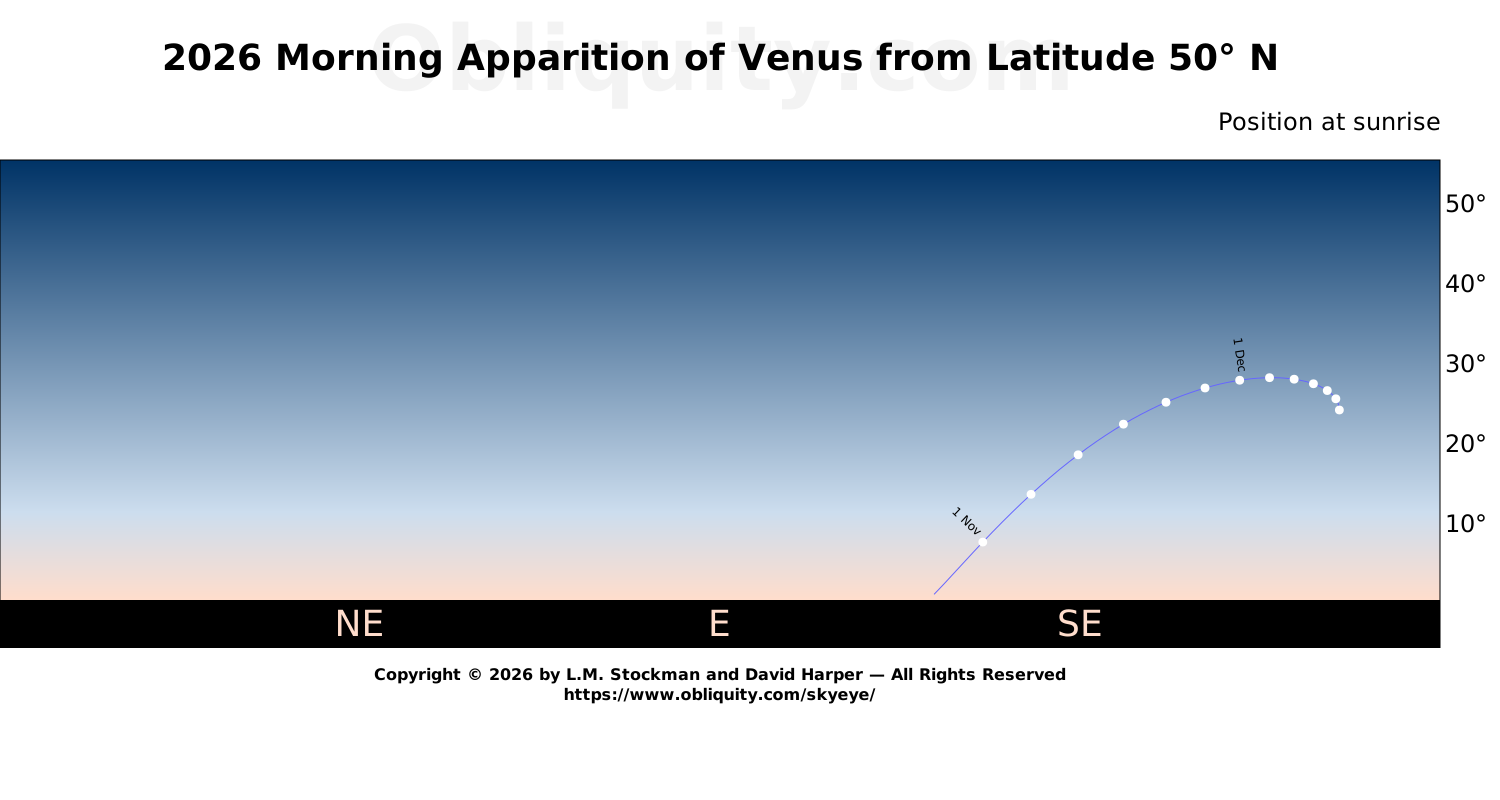
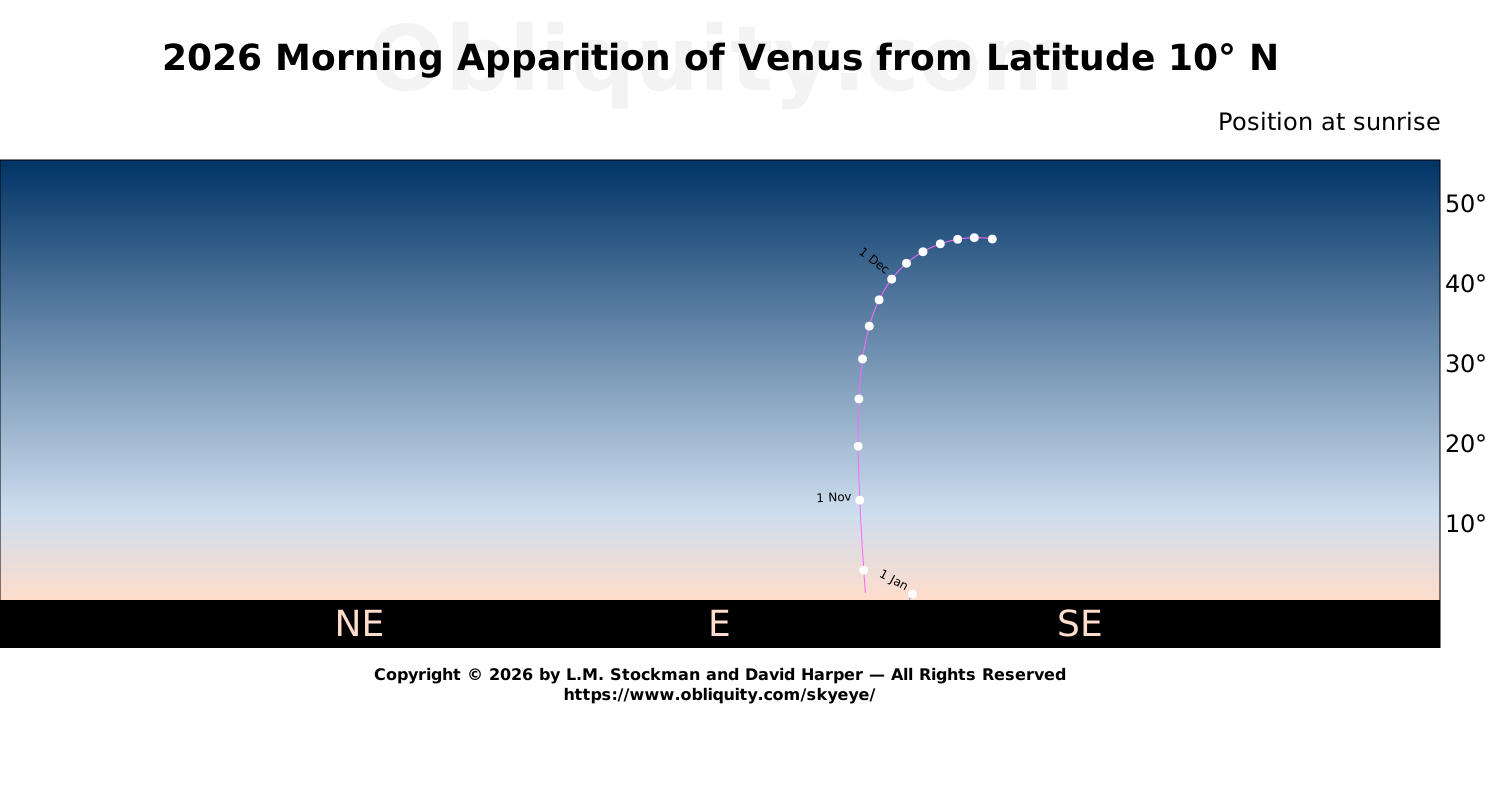
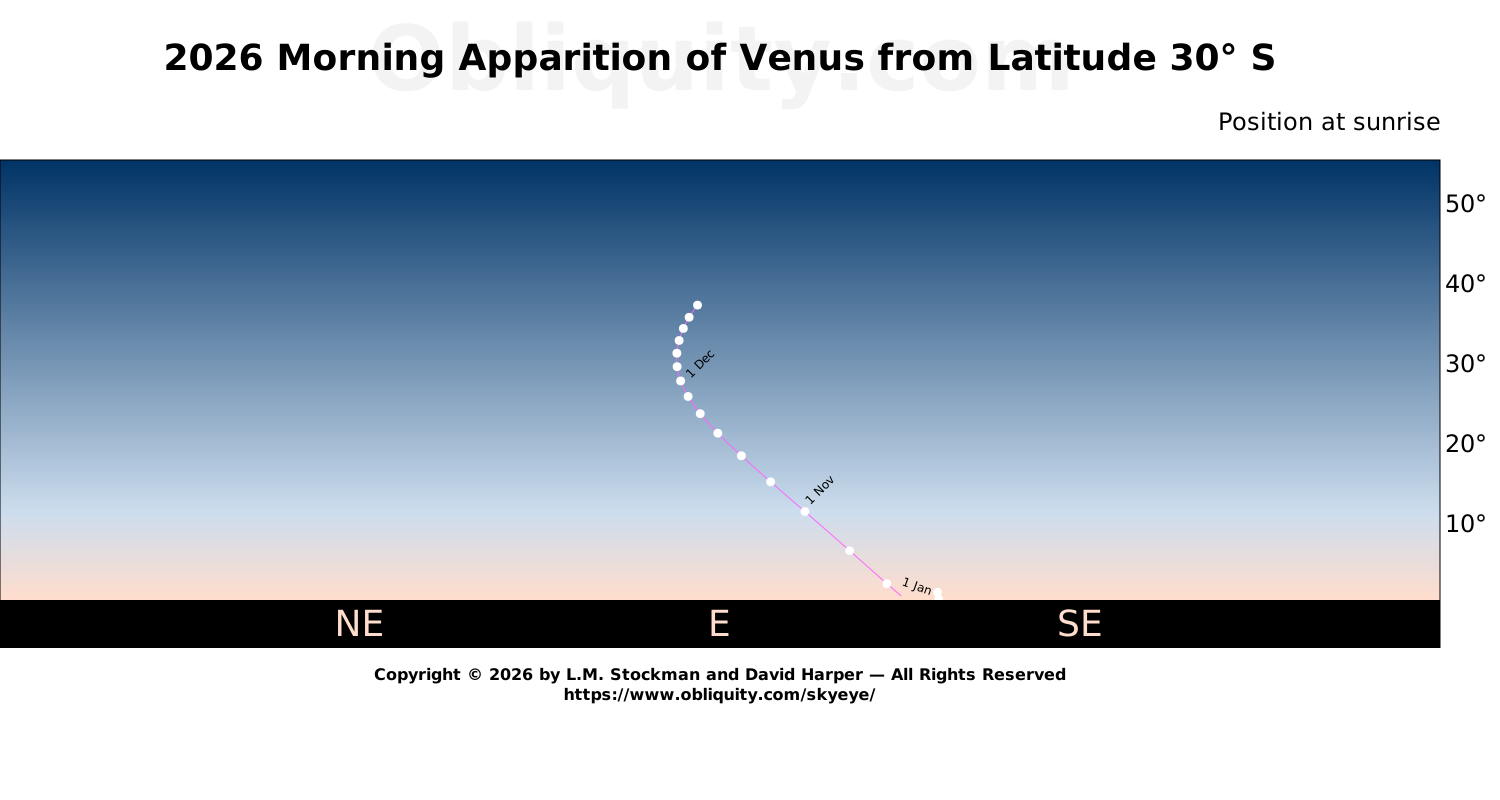
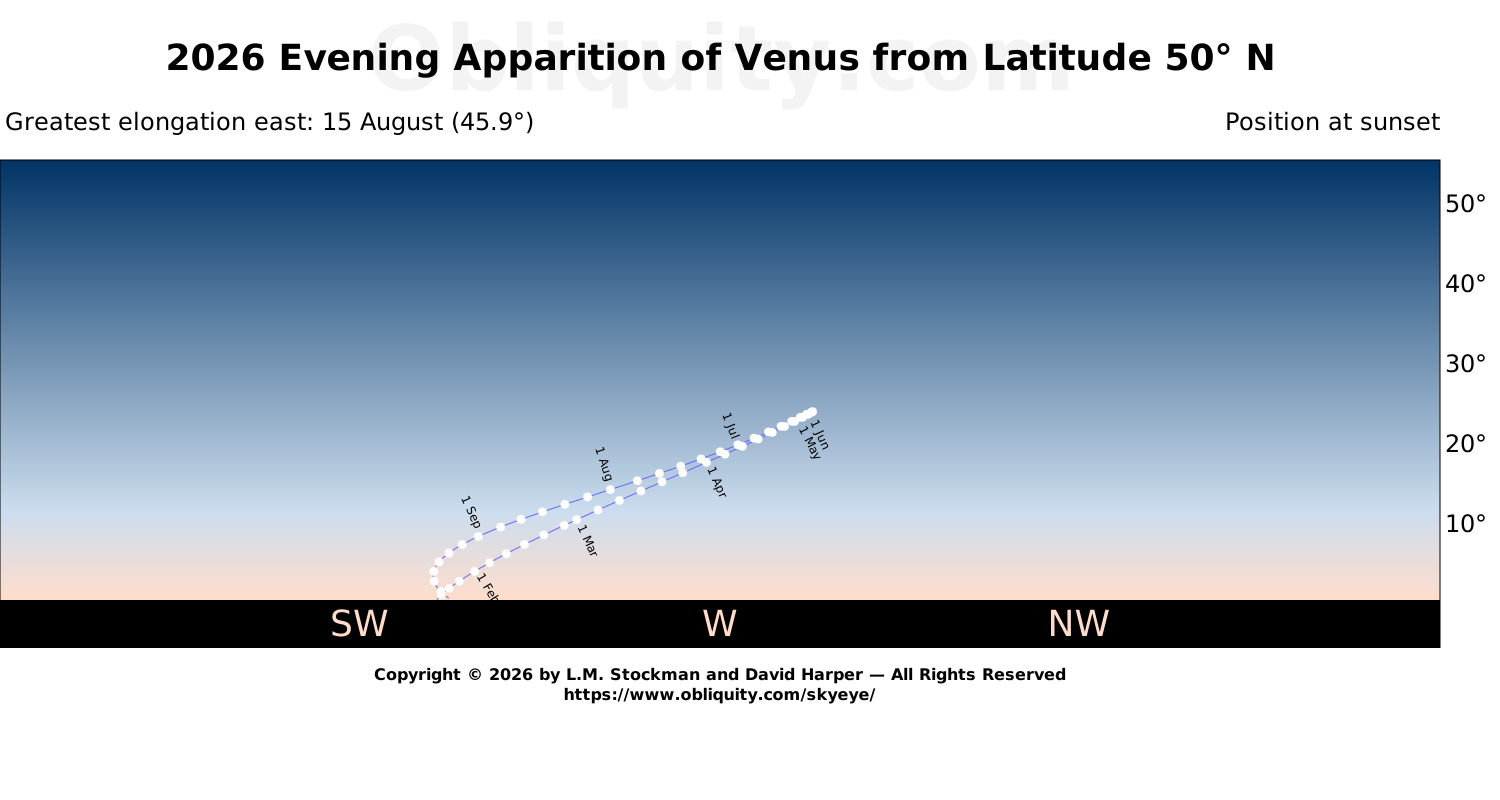
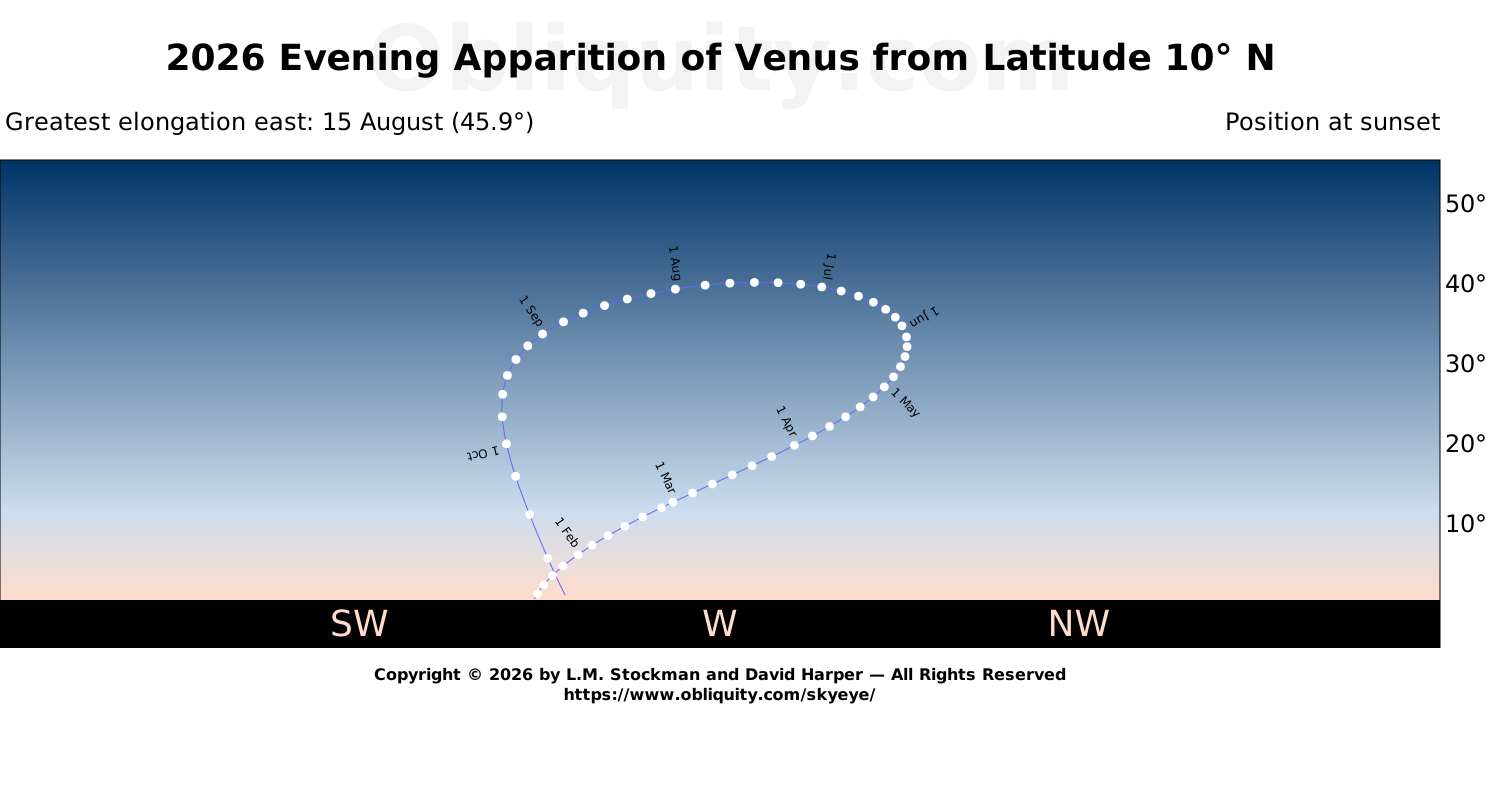
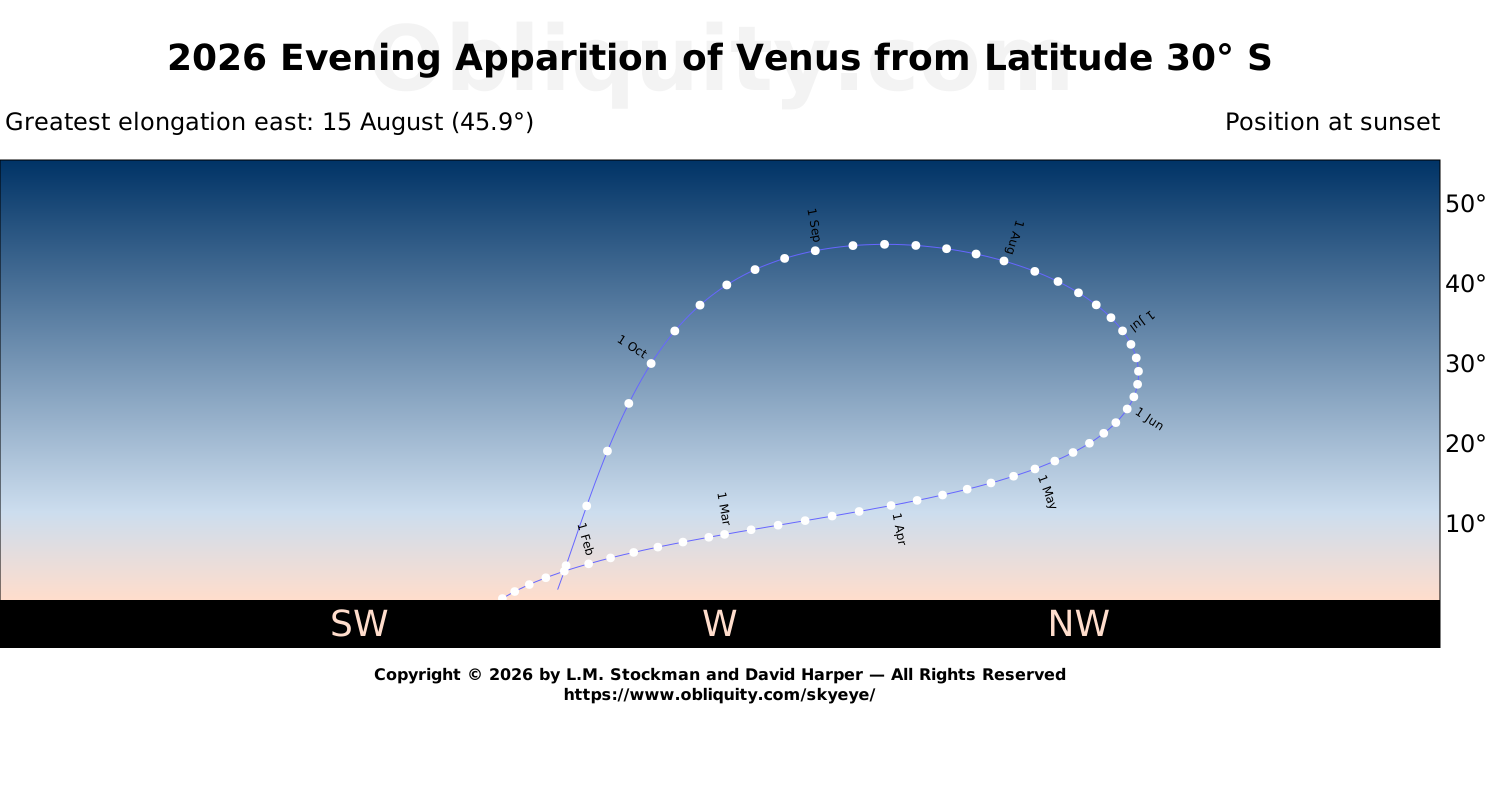
Below are a series of diagrams showing the morning and evening apparitions of Venus as observed from latitudes 50° north, 10° north, and 30° south. The planet is shown on the 1st, 6th, 11th, 16th, 21st and 26th days of each month with the current year's positions shown in bright white. The path may extend from the previous year or into the next. The first morning or evening apparition is denoted with a blue line and the second (if it exists) with a pink line.
Morning Apparitions
The morning apparition of 2025 (50°N, 10°N, 30°S) concludes at the beginning of January. Observers in the southern hemisphere may catch a glimpse of the planet just above the eastern horizon an New Year's Day but for most, the morning star does not appear until the end of October. It reaches a maximum magnitude of −4.7 in late November.
Evening Apparitions
Venus is at superior conjunction on 6 January and appears in the west after sunset shortly aftewards. This apparition of the evening star favours those living in equatorial and southern regions, with the bright planet vaulting high above the western horizon. For those in northern temperate latitudes, Venus does not gain as much altitude and retraces its steps back towards the horizon from early June. The planet exhibits a minimum magnitude of −3.9 throughout February and early March before brightening to −4.6 in September.

 Copyright © 2026 by L.M. Stockman and David Harper